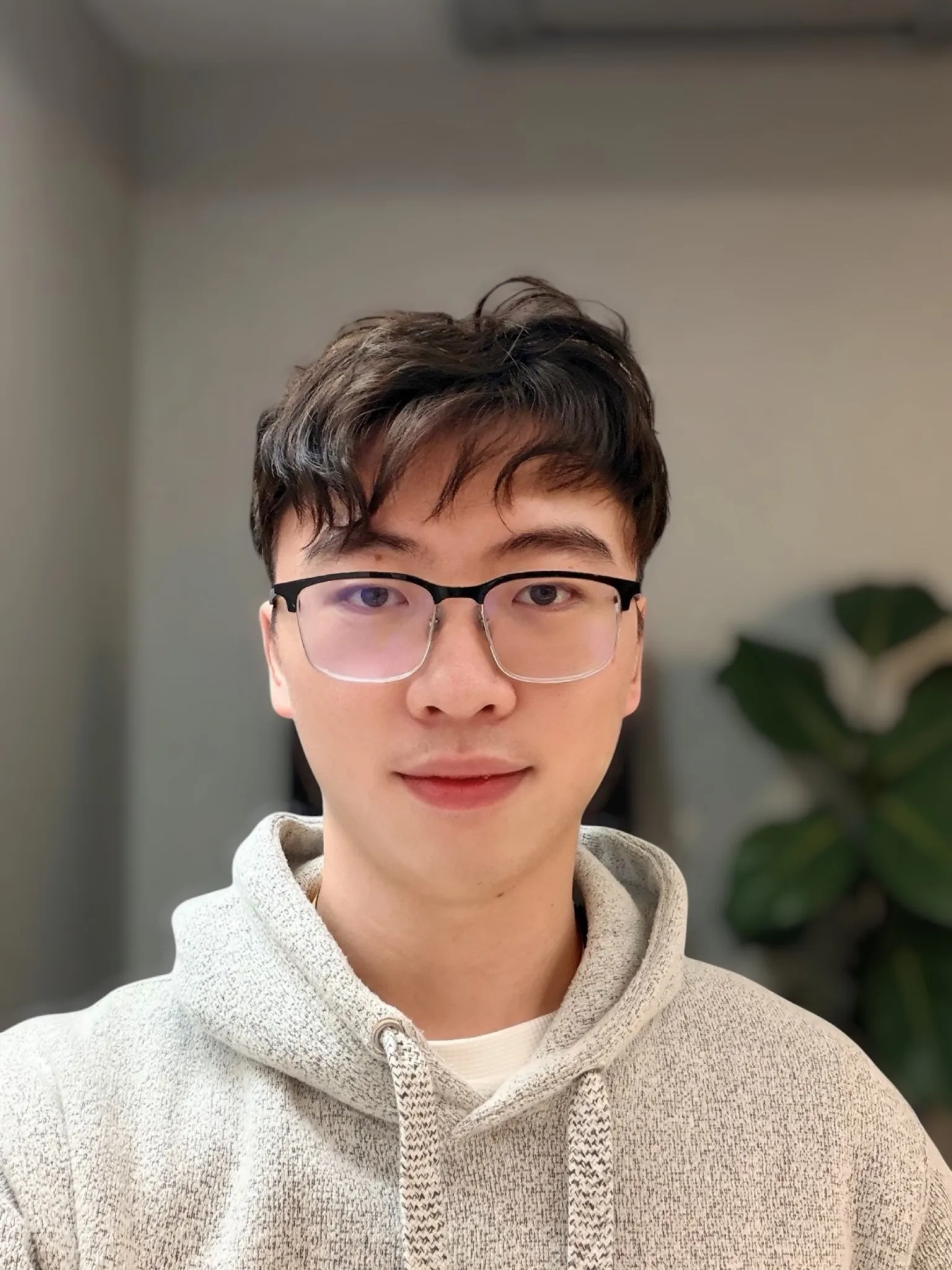
Five years shipping Unity games in production. Building evidence that simulation can be reproduced and verified.
Vancouver, BC · Unity / C# in production · direction: simulation verification · Canadian citizen, TN eligible
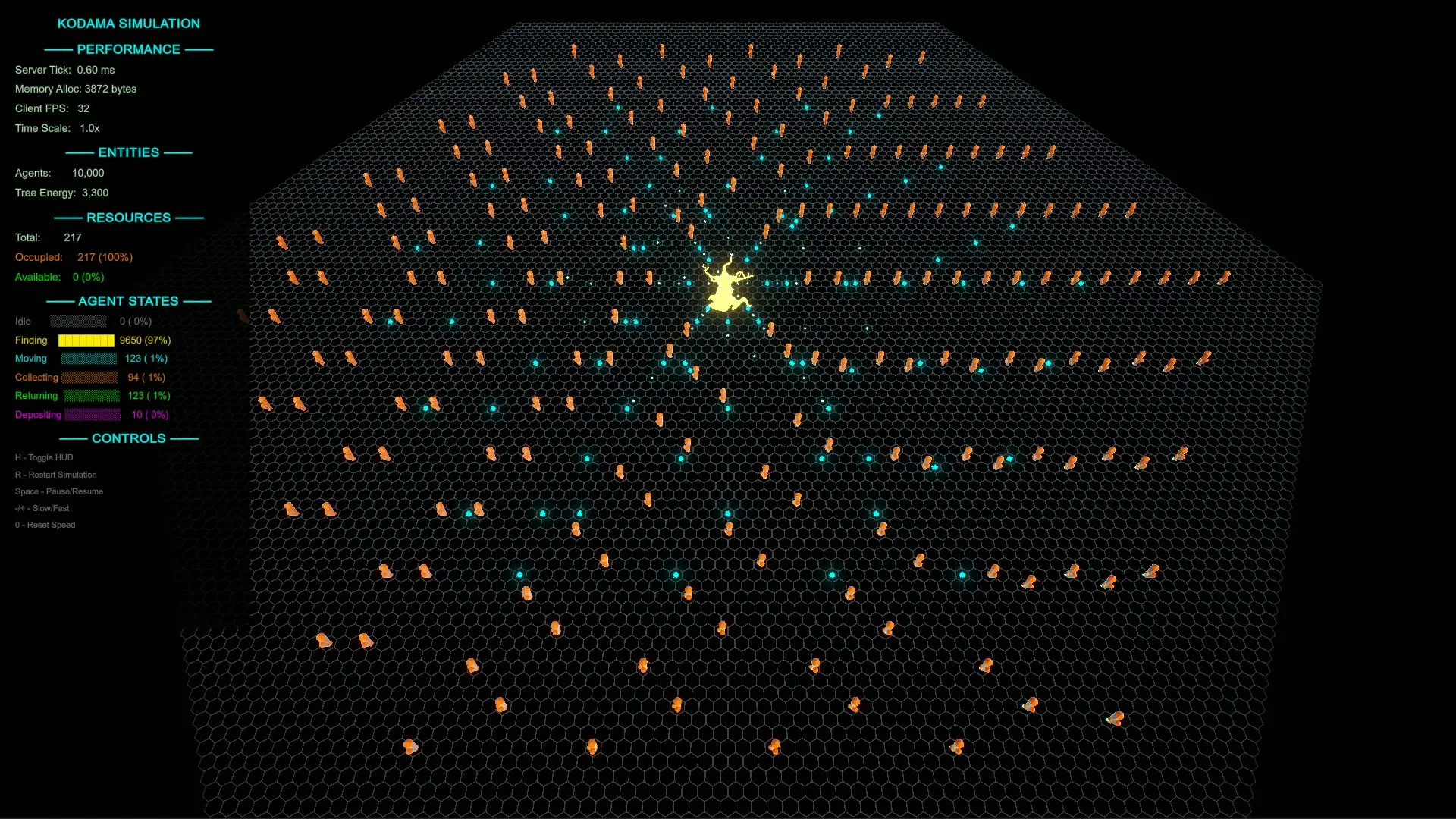
I build game systems for a living: Mythic Heroes (10M+ downloads) from early development through global launch and live ops, a shipped survival title, and the live-event client framework on an unannounced strategy title. After hours I work further down the stack — where managed code meets native, and where a CI gate can hold a system to account: deterministic record and replay, multi-agent simulation, zero-allocation hot paths. Right now that work is Constantum, a C++20 harness for proving a simulation run reproduces, and for localizing the first divergence when it does not. It is after hours, a bridge I am building, not my day job. The direction is Physical AI simulation infrastructure: making simulation trustworthy, meaning reproducible, verifiable, and auditable. Not a claim of expertise yet; a direction with evidence attached.
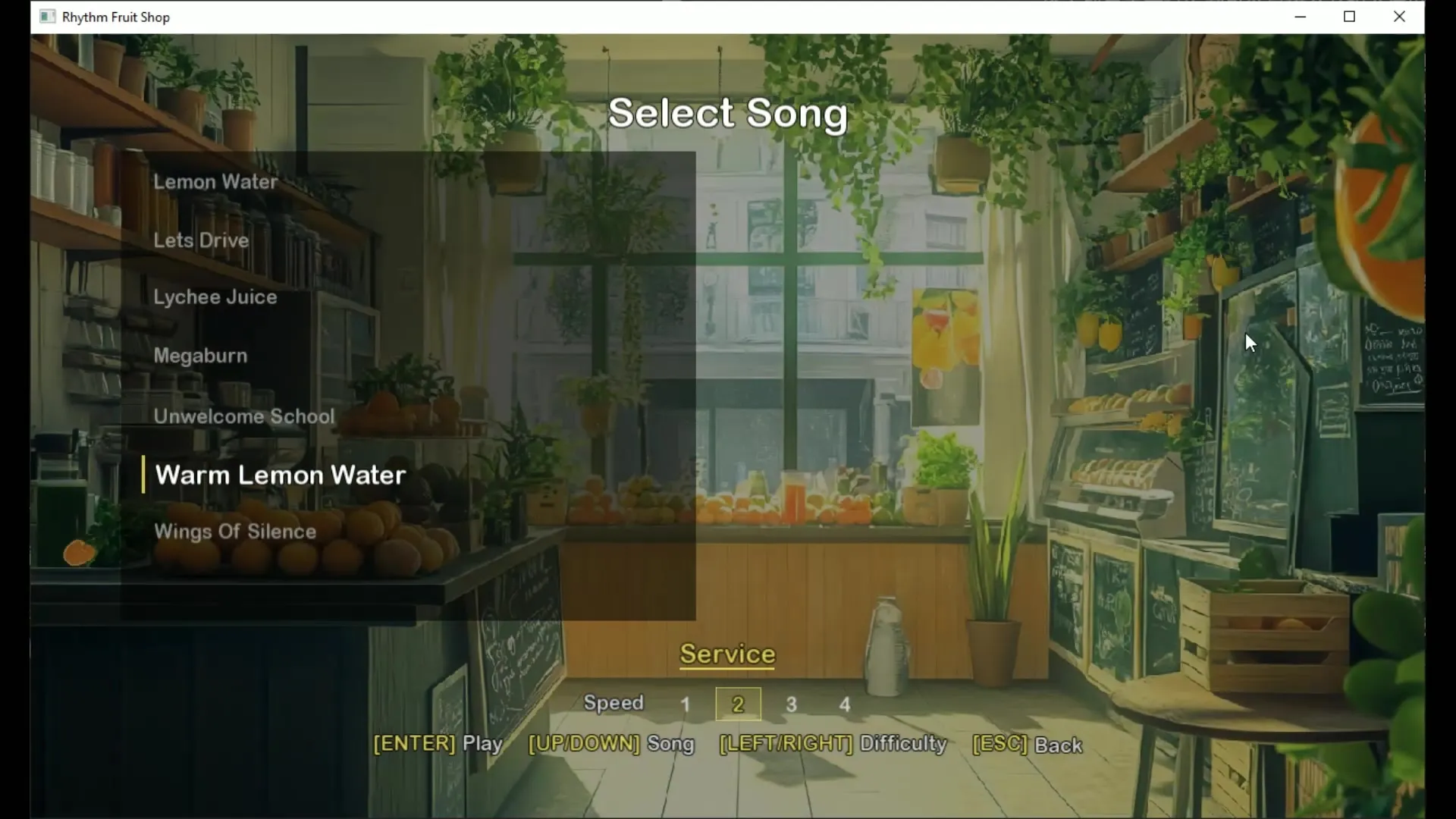
A native C++20 rhythm-game core with CI-enforced determinism, a PCM-cursor-derived clock, and a zero-allocation gameplay hot path.
→Deterministic record & replay validated in CI against a reference scoring implementation; zero-allocation gameplay hot path asserted by a custom allocation guard, and architectural layering verified by headless CI.
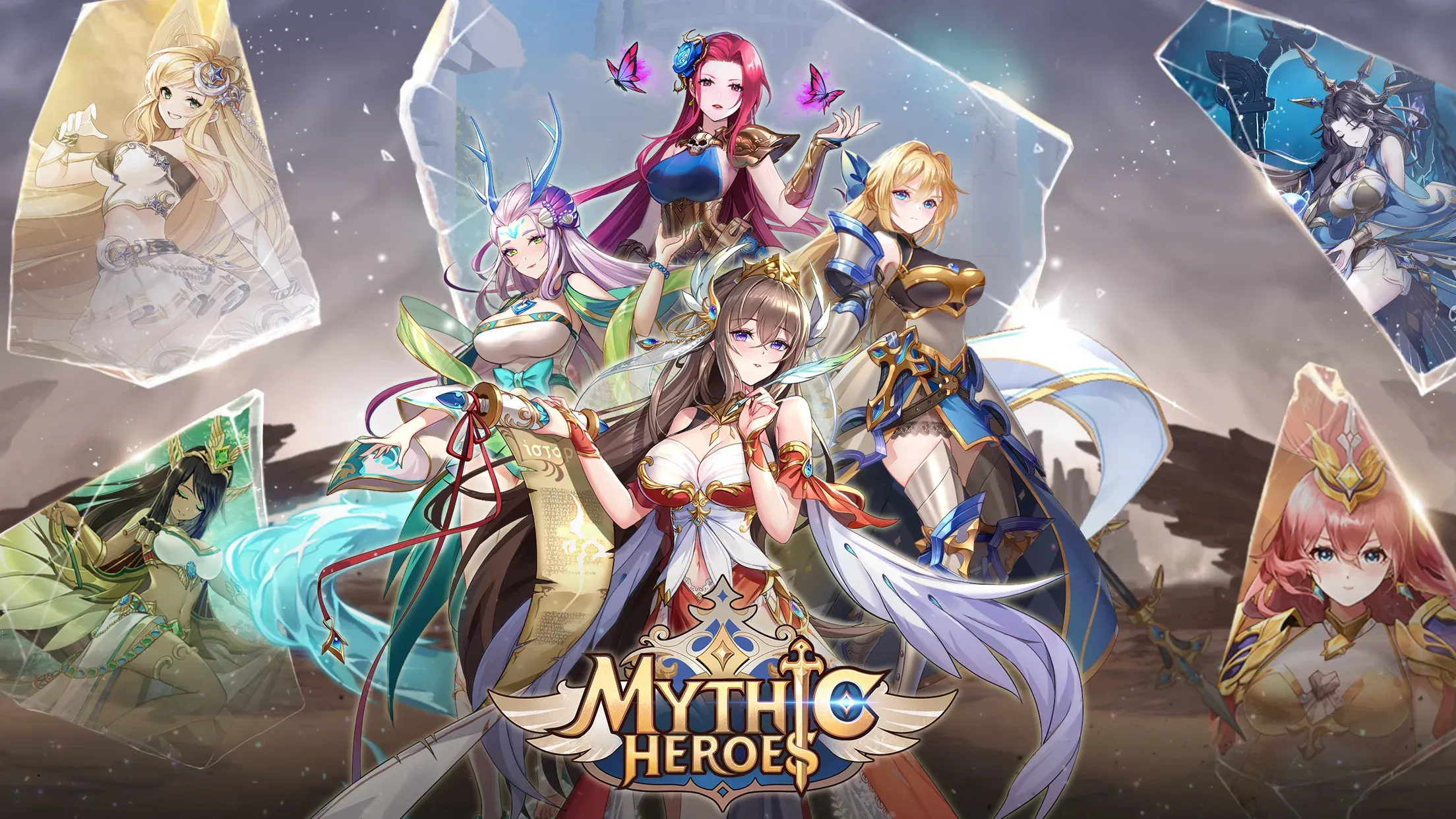
Core client engineer on a live-service mobile RPG with 10M+ downloads — co-developed the shared UI framework, primary client owner of Chat, top-2 contributor on Guilds, and ILRuntime hot-update content.
→150+ of the ~600 screens personally authored on the shared framework, and profiling-driven work (Unity Profiler, Frame Debugger, AssetBundle restructuring) in a team optimization push that cut load times ~30% and held stable 60fps on Snapdragon 660-class hardware.
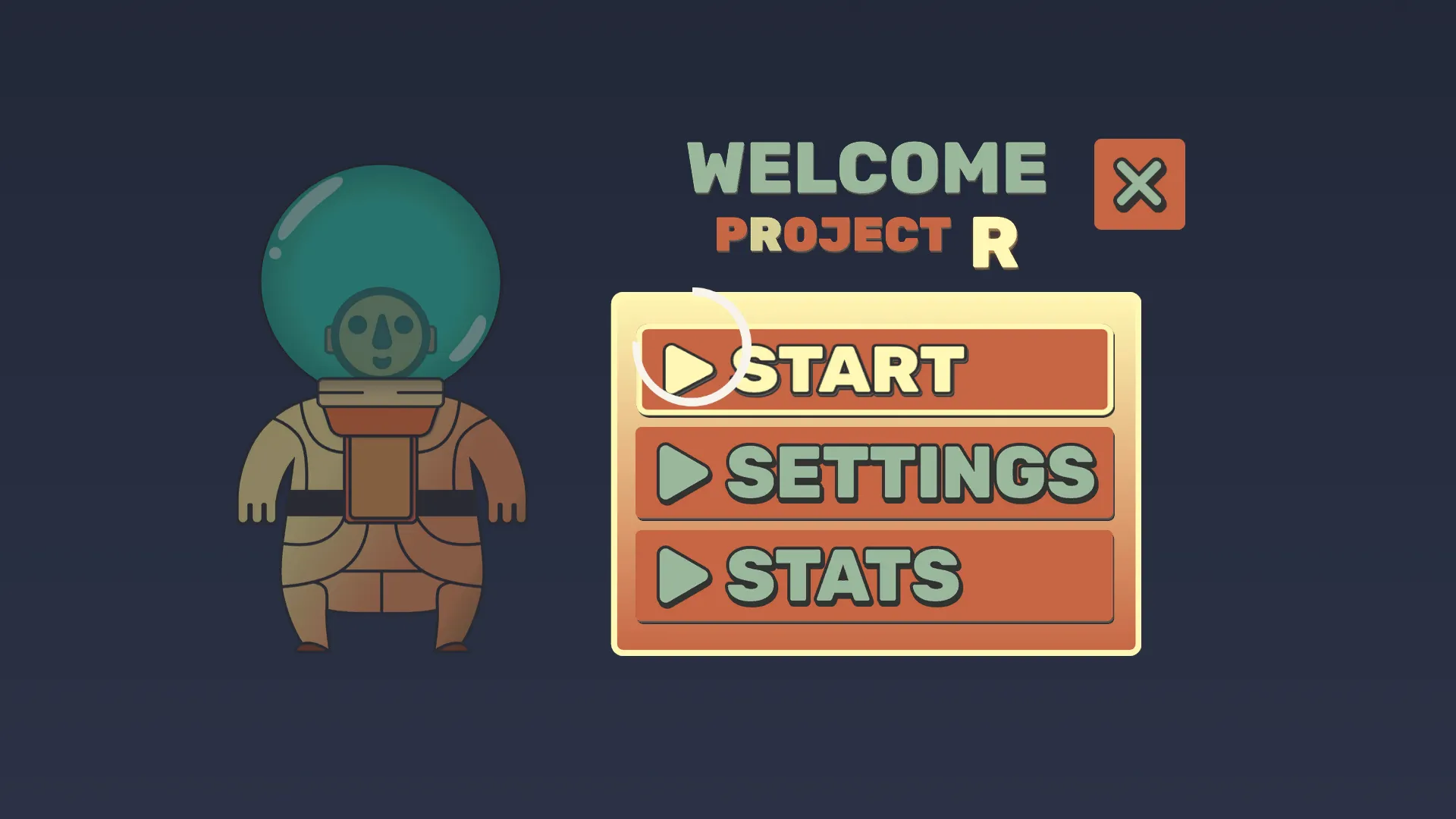
Sole engineer on the Unity/Ultraleap rebuild of TrAIT — a gamified stroke rehabilitation system succeeding the Kinect version clinically validated in Neurorehabilitation and Neural Repair.
→Delivered the complete Unity/Ultraleap rehabilitation software suite and telemetry pipeline for ongoing clinical trials, succeeding the Kinect version validated in Neurorehabilitation and Neural Repair (13% arm-function gain).
StackUnity · Ultraleap SDK · C# · Research Telemetry
02About
Yuankun Huang
Open to conversations about real-time systems and making simulation trustworthy — reproducible, verifiable, auditable.
Games were how my mother and I first shared a language — puzzles solved together at one keyboard — and that mix of connection and learning still orients the work. I joined IGG Canada in 2020 as a Unity engineer and shipped Mythic Heroes from early development through global launch and years of live operations at 10M+ download scale, contributed to Dawn of Survival, and now own the live-event client framework on an unannounced strategy title.
Games were the right first language, making something people come back to, where timing and feel have to hold together after the thing ships. I still love that problem, and I think the medium has a long future.
As AI raises what a small team can finish, people will have more willingness to pay for attention and play, and games will take more of that. The same force is making simulation a factor of production for anything that has to act in the physical world. If the simulated world is wrong, everything trained on it inherits the lie. Looking real will get cheaper. What stays scarce is trust: a result you can reproduce, verify, and show your work for.
I know the kind of work I stay for. Tools and platforms other people actually rely on. Depth over width. A quality compulsion I will not talk myself out of. Those habits were formed in games. They are also what a trustworthy simulation stack needs. So the years I want to spend next are on that verification layer — infrastructure that makes a run trustworthy. A working conclusion. The map is not finished.
My working style is front-loaded: a design doc before code, the tradeoff named before the commitment, a profiler before a guess. I prefer systems that are boring and correct to systems that are clever and fragile. Outside work I listen to Hans Zimmer scores loud enough that my neighbors have opinions, teach my mother math over video call, ski BC's slopes when there is snow, and play badminton when there is not.